
As a general rule, you should clean your throttle body every 30,000 to 50,000 miles (48,000 to 80,000 kilometers). However, the exact throttle body cleaning interval depends heavily on your driving conditions, fuel quality, and vehicle make. If you frequently drive in stop-and-go traffic or dusty environments, you may need to inspect and clean it as early as 20,000 miles.
Understanding the Throttle Body Cleaning Interval
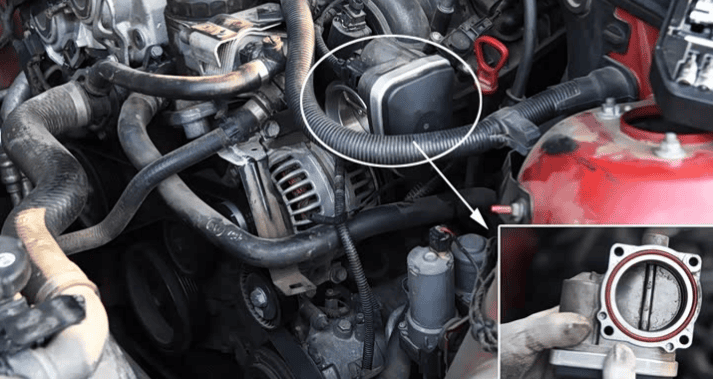
The throttle body is a critical component of your vehicle’s air intake system, controlling the amount of air flowing into the engine. Over time, carbon deposits, oil vapor from the Positive Crankcase Ventilation (PCV) system, and unburnt fuel create a stubborn buildup around the throttle plate. Understanding how often to clean your throttle body requires looking at both manufacturer recommendations and real-world driving habits.
The Shift to Electronic Throttle Control (ETC)
Modern vehicles utilize Electronic Throttle Control, often referred to as “drive-by-wire.” Unlike older mechanical systems that used a physical cable connecting the gas pedal to the throttle plate, ETC systems use sensors and an electric motor. Because the ECU precisely calculates the exact throttle plate angle needed for optimal combustion, even a microscopic layer of carbon can disrupt these highly sensitive calculations. This makes regular throttle body maintenance more critical on vehicles built after 2005.
Standard Mileage Recommendations
Most automotive manufacturers do not explicitly list throttle body cleaning as a standard maintenance item in the owner’s manual. However, industry consensus among professional mechanics suggests a baseline interval of 30,000 to 50,000 miles. At this point, a thin layer of carbon usually accumulates on the throttle plate bore, which can disrupt the precise air-fuel mixture the engine computer (ECU) expects.
Expert Tip: If you are replacing your spark plugs (typically due at 30,000 to 100,000 miles depending on the type), it is highly cost-effective to clean the throttle body simultaneously.
Driving Conditions That Demand Frequent Cleaning
Certain environments accelerate carbon buildup significantly. You should shorten your throttle body maintenance schedule to every 20,000 to 25,000 miles if you experience:
- Frequent short trips: The engine never fully warms up, leading to incomplete combustion and increased blow-by gases.
- Stop-and-go traffic: Constant idling and low-speed operation draw more oil vapor through the PCV valve into the intake manifold.
- Dusty or polluted environments: Even with a high-quality air filter, microscopic particulates can combine with oil vapor to form a gritty sludge.
- Older or high-mileage vehicles: Worn piston rings and valve seals allow more blow-by gases, increasing crankcase pressure and PCV flow.
Recognizing Symptoms of a Dirty Throttle Body
Waiting for a specific mileage milestone isn’t always the best strategy. Your vehicle will often exhibit clear mechanical symptoms when the throttle body requires attention. Recognizing these early warning signs can prevent costly drivability issues and ensure you address the problem before it damages other engine components.
Rough Idle and Stalling
When carbon buildup restricts the small gap around the throttle plate at closed throttle, the engine computer struggles to maintain a stable idle. This results in a noticeable shaking or vibration, commonly referred to as a rough idle. In severe cases, the engine may stall entirely when you come to a stop, posing a serious safety risk in traffic.
Poor Fuel Economy and Sluggish Acceleration
A dirty throttle body restricts airflow, forcing the engine management system to compensate by adjusting fuel trims. This inefficient combustion process often leads to a noticeable drop in miles per gallon (MPG). Additionally, you may experience hesitation or a “dead spot” when pressing the accelerator pedal from a standstill, as the engine struggles to draw in the necessary air.
Check Engine Light Codes
Modern vehicles are equipped with sophisticated sensors that monitor engine performance. A heavily carbon-fouled throttle body will trigger specific Diagnostic Trouble Codes (DTCs). If you scan your vehicle with an OBD2 scanner, look out for these common codes:
- P0505: Idle Air Control System Malfunction
- P0506: Idle Air Control System RPM Lower Than Expected
- P0507: Idle Air Control System RPM Higher Than Expected
- P2111: Throttle Actuator Control System – Stuck Open
The Throttle Body Cleaning Process: DIY vs. Professional Service
Deciding whether to tackle throttle body cleaning as a DIY project or leave it to a professional depends on your mechanical aptitude and the specific design of your vehicle. Electronic throttle bodies are highly sensitive and require specific procedures after cleaning.
Essential Tools and Safety Precautions
If you choose the DIY route, using the correct chemicals is paramount. Never use carburetor cleaner on a modern throttle body. Carburetor cleaner is too harsh and can degrade the protective Teflon coating inside the throttle body bore, leading to accelerated future buildup.
- Throttle body cleaner spray: Formulated to dissolve carbon without damaging sensors or coatings.
- Soft-bristled brush: An old, clean toothbrush works perfectly for agitating stubborn deposits.
- Lint-free microfiber towels: To wipe away dissolved grime without leaving fibers behind.
- Safety gloves and glasses: To protect your skin and eyes from harsh chemical solvents.
Step-by-Step Cleaning Guide
- Locate and access the throttle body: Follow the air intake tube from the air filter box to the engine.
- Disconnect the electrical connector: Carefully unplug the wiring harness attached to the throttle body.
- Remove the intake hose: Loosen the hose clamps and gently remove the rubber intake tube.
- Spray and wipe: Spray the throttle body cleaner generously inside the bore. Use the soft brush to gently scrub the throttle plate edges. Wipe clean with a microfiber towel.
- Manually open the plate: Have an assistant press the gas pedal (with the ignition ON, engine OFF) to open the throttle plate, allowing you to clean the hidden edges.
The Critical Step: Idle Relearn Procedure
Cleaning the throttle body removes the carbon that the ECU had previously compensated for. Once cleaned, the computer may still think the throttle body is dirty, leading to erratic idling or stalling. An idle relearn procedure resets the ECU’s baseline parameters.
For many vehicles, this involves disconnecting the battery for 15 minutes, then idling the engine for 10 minutes. However, some modern vehicles require a specialized OBD2 scan tool to command the ECU to relearn the idle parameters. If your car won’t idle correctly after a DIY clean, a professional mechanic will need to perform this reset.
Cost Considerations for Throttle Body Maintenance
Understanding the financial aspect of throttle body maintenance helps you budget for this essential service. The cost varies significantly depending on whether you perform the task yourself or hire a professional.
DIY Cleaning Costs
Cleaning the throttle body yourself is incredibly cost-effective. A can of name-brand throttle body cleaner costs between $5 and $10. If you already own basic hand tools, your total out-of-pocket expense will be less than $15. This makes DIY cleaning an attractive option for budget-conscious car owners.
Professional Mechanic Pricing
If you opt for professional service, expect to pay between $75 and $250. This price typically includes the labor to remove and clean the unit, as well as the cost of the cleaning solvent. The upper end of the price range usually accounts for the diagnostic scan and the computerized idle relearn procedure required on modern drive-by-wire vehicles.
Conclusion and Actionable Next Steps
Maintaining a clean throttle body is essential for optimal engine performance, fuel efficiency, and a smooth idle. By adhering to the 30,000 to 50,000-mile throttle body cleaning interval and paying attention to symptoms like rough idling or sluggish acceleration, you can prevent more severe engine issues down the road.
Actionable Advice: Check your vehicle’s service records today. If you are approaching the 30,000-mile mark or experiencing any of the symptoms mentioned above, schedule a throttle body inspection this week. Whether you choose a $10 DIY approach or a $150 professional service, maintaining your throttle body is a small investment that yields significant returns in vehicle reliability.
常见问题
Can I drive with a dirty throttle body?
Yes, you can drive with a dirty throttle body, but it is not recommended. Over time, carbon buildup can cause rough idling, stalling, and reduced fuel efficiency, which may eventually lead to more expensive engine repairs.
Does cleaning the throttle body improve gas mileage?
Yes, cleaning a dirty throttle body can improve gas mileage. Carbon buildup restricts airflow and disrupts the air-fuel mixture, causing the engine to run inefficiently. Restoring proper airflow helps the engine computer optimize combustion.
Do I need to disconnect the battery when cleaning the throttle body?
It is highly recommended to disconnect the battery before cleaning an electronic throttle body. This prevents electrical shorts and clears the engine computer’s memory, which is often necessary for the idle relearn procedure.
What happens if I don’t do an idle relearn after cleaning?
If you skip the idle relearn procedure, the engine computer will still operate on the old parameters designed for a dirty throttle body. This usually results in erratic idling, surging RPMs, or immediate stalling when you start the vehicle.