
Most new gasoline and hybrid cars require scheduled maintenance every 5,000 to 7,500 miles (or 6 months, whichever comes first), while new battery electric vehicles (BEVs) typically need service every 10,000 to 15,000 miles. Exact new car maintenance intervals vary by make, model, powertrain and driving conditions, so the manufacturer’s schedule in your owner’s manual is always the definitive source.
Manufacturer-Recommended New Car Service Intervals
Gasoline and Hybrid Models
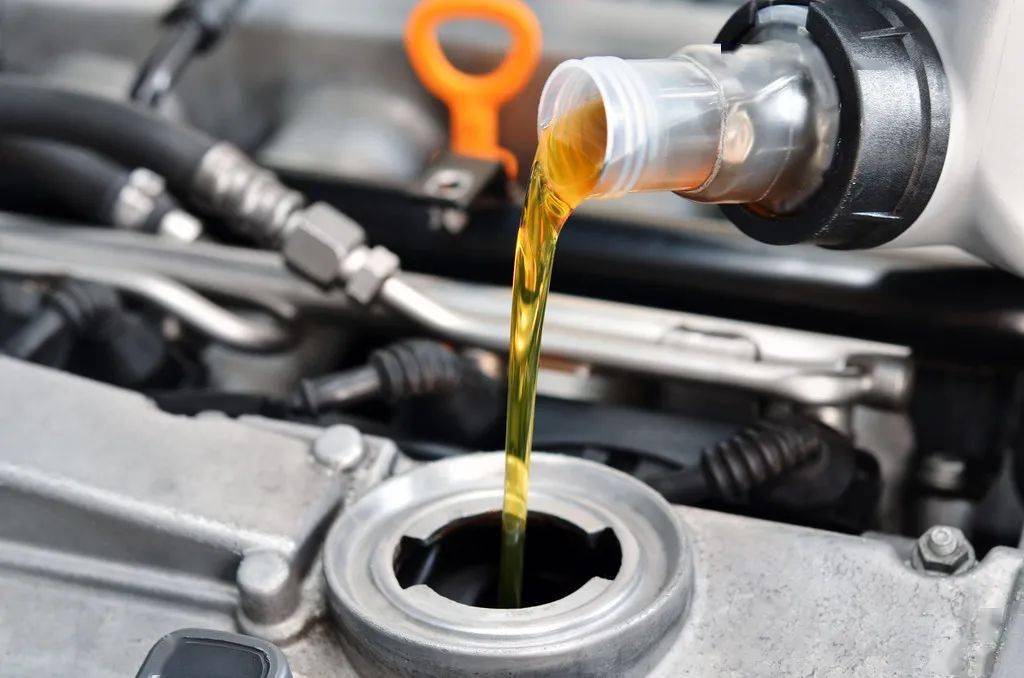
Modern vehicles running on full synthetic motor oil can go 5,000 to 7,500 miles between basic oil and filter changes, the core of routine new car maintenance. Conventional oil models follow shorter 3,000 to 5,000 mile intervals, though these are increasingly rare in new vehicles.
Battery Electric Vehicles
BEVs eliminate many engine-related service tasks, so standard new car maintenance intervals extend to 10,000 to 15,000 miles. Routine checks focus on tire tread, brake pads, battery coolant and windshield wiper fluid rather than oil or spark plug replacements.
Severe Driving Adjustments
Cut recommended intervals by 30–50% if you regularly operate your vehicle under severe conditions, including:
- Frequent trips shorter than 5 miles
- Towing trailers or carrying heavy cargo
- Driving on unpaved, dusty roads
- Regular use in temperatures below 10°F or above 90°F
Key New Car Maintenance Tasks by Mileage
First Service (5,000–7,500 Miles)
During the initial new car break-in period (first 1,000–1,500 miles), manufacturers advise avoiding sustained speeds over 65 mph or heavy towing to seat engine components, but no dedicated break-in service is required for most modern models. The first scheduled visit includes a full synthetic oil and filter change, tire rotation, brake inspection, and fluid top-off for coolant, transmission and windshield washer reservoirs. Technicians will also check for open recalls or factory defects during this visit.
15,000–30,000 Mile Services
At 15,000 miles, technicians replace the engine air filter and cabin air filter, and inspect suspension components. By 30,000 miles, most models require spark plug replacement, fuel filter service, and a full brake system flush.
60,000+ Mile Major Service
High-mileage new car maintenance includes timing belt replacement (on interference engines), transmission fluid exchange, coolant flush, and a full inspection of the exhaust and fuel systems to prevent costly breakdowns.
Common New Car Maintenance Myths for Beginners
“Dealership Service Is Required to Keep Warranty Coverage”
Many first-time owners believe they must pay for premium dealership service to maintain their new car warranty. This is not legally required in the U.S.
Under the U.S. Magnuson-Moss Warranty Act, manufacturers cannot void warranty coverage for services performed at qualified independent shops, as long as OEM-equivalent parts are used and service records are retained.
“All New Cars Need Oil Changes Every 3,000 Miles”
The 3,000-mile oil change rule dates back to vehicles built before 2000 that used conventional oil and older engine designs. Following this outdated rule for modern new cars wastes money and does not reduce engine wear, per AAA automotive testing data.
Expert Tips to Stay on Track With New Car Maintenance
Prioritize Your Owner’s Manual
Generic online maintenance advice does not account for your specific vehicle’s engineering. Flip to the scheduled maintenance section of your owner’s manual for model-specific intervals and requirements tailored to your new car.
Track Service Reminders Proactively
Log every service with mileage, date and work completed, and set calendar alerts 500 miles before your next scheduled visit. Retain all receipts to validate warranty claims if needed.
Final Summary and Action Steps
To summarize, standard new car maintenance intervals range from 5,000–7,500 miles for gas and hybrid models and 10,000–15,000 miles for EVs, with 30–50% shorter intervals required for severe driving conditions. Always follow your owner’s manual rather than generic online advice, and retain complete service records to protect your factory warranty coverage.
Take action today: Locate the scheduled maintenance section in your owner’s manual, note your current vehicle mileage, and set a reminder for your next upcoming service to avoid premature component wear and costly unexpected repairs.
常见问题
How often does a new car need its first maintenance service?
Most new gas and hybrid cars require first service at 5,000 to 7,500 miles, while new electric cars typically need their first service at 10,000 miles. Always confirm the exact interval in your owner’s manual.
Will getting my new car serviced at an independent shop void the factory warranty?
No. The U.S. Magnuson-Moss Warranty Act prohibits manufacturers from voiding warranty coverage for qualified independent service, as long as OEM-equivalent parts are used and proper service records are kept.
Do new electric cars require less frequent maintenance than gas-powered cars?
Yes. EVs have no engine oil, spark plugs or conventional transmission to service, so their standard maintenance intervals are twice as long as gas cars, focusing primarily on tires, brakes and battery cooling systems.
What is considered severe driving that requires shorter maintenance intervals?
Severe driving includes regular trips under 5 miles, towing heavy loads, driving on dusty unpaved roads, and frequent operation in temperatures below 10°F or above 90°F, requiring 30-50% shorter service intervals.