

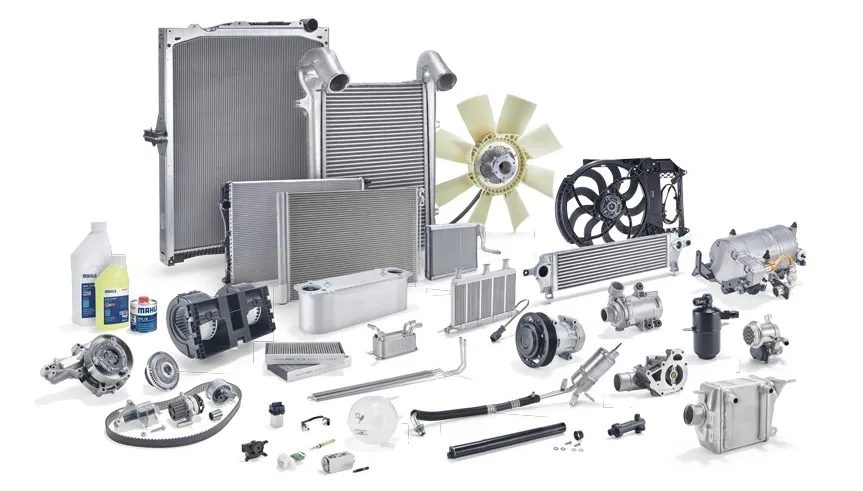
Regular car air conditioning system maintenance is essential to guarantee cold airflow, extend the life of expensive components like the compressor, and prevent foul odors or mold growth inside the cabin. The core steps include running the AC weekly, replacing the cabin air filter on schedule, cleaning the condenser, monitoring refrigerant levels, and scheduling annual professional inspections. This guide covers each task in detail so you can keep your car’s AC running efficiently year-round.
Why Regular Car AC Maintenance Matters
Automotive air conditioning systems lose efficiency gradually. Without routine care, small issues—such as a clogged filter or slight refrigerant leak—can turn into major failures that cost hundreds of dollars to repair.
Preventing Costly Compressor Failures
The AC compressor is the heart of the system. It circulates refrigerant and oil. When refrigerant runs low, the compressor works harder and overheats, often leading to catastrophic failure. Regular maintenance detects low refrigerant before damage occurs.
Improving Cooling Performance and Fuel Economy
A well-maintained AC system cools the cabin faster and places less load on the engine. According to automotive service experts, a dirty or undercharged system can increase fuel consumption by up to 10% in stop-and-go traffic because the compressor cycles more frequently.
Protecting Cabin Air Quality
Your car’s AC system also dehumidifies and filters cabin air. A dirty cabin air filter or moldy evaporator can spread allergens, bacteria, and unpleasant odors.
Clean cabin air is not a luxury; it is a health requirement for anyone who spends time behind the wheel.
Essential DIY Car AC Maintenance Tasks
Several maintenance steps require no special tools and can be performed at home. The following tasks form the foundation of good car AC care.
Run the AC System Weekly—Even in Winter
Running the air conditioning for at least 10 minutes every week keeps the compressor seals lubricated and prevents refrigerant leaks. In winter, turn on the defrost mode, which automatically engages the AC compressor to dehumidify the air.
- Turn the AC to the coldest setting and maximum fan speed.
- Run for 10–15 minutes while driving.
- This circulates oil and keeps rubber hoses from drying out.
Replace the Cabin Air Filter on Schedule
The cabin air filter traps dust, pollen, and debris before air enters the cabin. A clogged filter reduces airflow and forces the blower motor to work harder. Replace the filter every 12,000 to 15,000 miles, or at least once a year. In dusty or high-pollution areas, replace it more frequently.
- Locate the filter behind the glove box or under the dashboard.
- Remove the old filter and note its orientation.
- Install a new, high-quality pleated filter.
- Test airflow before reassembling the glove box.
Clean the Condenser and Check for Debris
The condenser sits in front of the radiator and releases heat from the refrigerant. Leaves, bugs, and road grime reduce its ability to dissipate heat. Use a soft brush or low-pressure garden hose to clean the condenser fins every few months. Avoid high-pressure washers, which can bend the delicate fins.
How to Identify Common Car AC Problems Early
Recognizing early warning signs helps you address issues before they become expensive repairs. The following symptoms are the most common indicators that your car air conditioning system needs attention.
Weak Airflow or Warm Air
If the air coming from the vents is weak or not cold, possible causes include a clogged cabin filter, low refrigerant, a failing blower motor, or a blocked evaporator. Start with the simplest fix: replace the cabin filter and visually inspect the condenser.
Unusual Odors or Noises
A musty smell often means mold or bacteria are growing on the evaporator core. Squealing or grinding noises can indicate a worn compressor clutch or belt. Do not ignore these sounds—they often precede complete failure.
Refrigerant Leaks and Moisture
Oily residue around AC fittings or a hissing sound after shutting off the engine can signal a refrigerant leak. Low refrigerant reduces cooling and can damage the compressor. Professional leak detection uses UV dye or electronic sniffers to locate the source.
When to Schedule Professional Car AC Service
While DIY tasks are valuable, certain procedures require specialized equipment and certified technicians. Schedule professional car AC service annually or whenever you notice a drop in cooling performance.
Refrigerant Recharge and Leak Detection
Refrigerant is not consumed during normal operation. If the system is low, there is a leak. A professional can recover the remaining refrigerant, pressurize the system with nitrogen, and locate leaks precisely. Never simply add refrigerant without fixing the leak, as this is temporary and environmentally harmful.
Compressor and Component Inspection
A technician will inspect the compressor clutch, drive belt, hoses, and electrical connections for wear. They will also measure high-side and low-side pressures to verify proper operation. This proactive inspection can prevent a $1,000+ compressor replacement.
Evaporator and Drain Line Cleaning
The evaporator lives inside the dashboard and can accumulate mold. A professional can apply antimicrobial foam cleaners and clear the condensate drain line to prevent water leaks and odors. This service is especially important after a period of heavy AC use.
Seasonal Car AC Maintenance Checklist
Different seasons place different demands on your car’s air conditioning system. Use this checklist to stay ahead of problems.
Spring and Summer Preparation
- Replace the cabin air filter.
- Clean the condenser fins and check for damage.
- Test cooling performance on the coldest setting.
- Listen for unusual noises during AC operation.
- Schedule a refrigerant pressure check if cooling is weak.
Fall and Winter Storage Tips
- Run the AC or defrost mode weekly for 10 minutes.
- Keep the cabin filter fresh to protect against winter allergens.
- Check for musty odors before storing the vehicle for long periods.
- Have a professional inspect the system before winter if you noticed weak cooling in summer.
Summary: Your Car AC Maintenance Action Plan
Consistent car air conditioning system maintenance saves money, improves comfort, and protects your health. To keep your system in top shape:
- Run the AC weekly, even in winter.
- Replace the cabin air filter every 12,000–15,000 miles.
- Clean the condenser regularly.
- Watch for weak airflow, warm air, odors, and unusual noises.
- Schedule a professional AC inspection once a year.
By following these steps, you will extend the life of your compressor, maintain cold air, and enjoy a healthier cabin environment all year long.
常见问题
How often should I run my car’s air conditioner?
Run your car AC for at least 10 minutes every week, even during winter. This keeps the compressor seals lubricated and prevents refrigerant leaks. In winter, use the defrost mode, which activates the AC compressor automatically.
Why does my car AC smell musty?
A musty smell usually means mold or bacteria are growing on the evaporator core. This happens when moisture accumulates and the drain line becomes clogged. Cleaning the evaporator and clearing the drain line solves the problem.
How do I know if my car AC needs more refrigerant?
If the air from the vents is warm, cooling is weak, or you hear a hissing sound from the AC system, the refrigerant may be low. Low refrigerant usually indicates a leak, so have a professional perform a leak test before recharging.
Can I recharge my car AC myself?
DIY recharge kits are available, but they only add refrigerant without fixing the underlying leak. Overcharging can damage the compressor. It is safer and more effective to have a certified technician recover, leak-test, and recharge the system properly.
What causes weak airflow from car AC vents?
A clogged cabin air filter is the most common cause of weak airflow. Other causes include a failing blower motor, a blocked evaporator, or mold buildup. Start by replacing the cabin air filter, then have the system inspected if the problem persists.
