

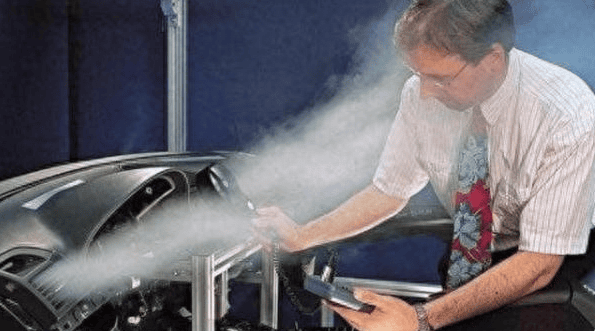
To effectively clean your car AC system, you must replace the cabin air filter, use a specialized automotive AC cleaner to disinfect the evaporator coil, and run the system to dry out the components completely. This routine maintenance eliminates foul odors, restores optimal cooling efficiency, and protects your respiratory health from mold and bacteria trapped in the ventilation system.
1. Why Cleaning Your Car AC System is Essential
Many vehicle owners overlook their air conditioning system until it stops blowing cold air or emits a bad smell. However, the car AC system is constantly circulating outside air, which brings in dust, pollen, and pollutants. Over time, these contaminants create a hazardous environment inside your vehicle.
1.1 Eliminating Mold and Bacteria
The evaporator coil in your car AC system becomes extremely cold during operation, causing condensation from the surrounding air. While this moisture is designed to drain out of the vehicle, microscopic droplets often remain on the coil and inside the dark ventilation ducts.
According to the Environmental Protection Agency (EPA), indoor air pollution levels inside a closed vehicle can be up to 10 times higher than outside. A neglected AC system actively circulates mold spores and harmful bacteria directly into the cabin, posing significant respiratory risks to drivers and passengers.
1.2 Restoring Cooling Efficiency
When dirt and debris coat the evaporator fins, they act as an insulator. This barrier prevents the evaporator from absorbing heat from the cabin air effectively. As a result, the AC compressor has to work harder and longer to reach the desired temperature, leading to sluggish cooling and increased fuel consumption.
1.3 Prolonging Component Lifespan
A clean AC system operates with less mechanical resistance. When the evaporator and cabin air filter are free of heavy debris, the blower motor can push air smoothly without straining its electrical components. Regular cleaning prevents premature wear and tear, saving you from expensive compressor or blower motor replacements down the road.
2. Signs Your Car AC System Needs Immediate Cleaning
Recognizing the early symptoms of a dirty air conditioning system can prevent long-term damage and maintain a comfortable driving environment. Do not wait for total system failure before taking action.
2.1 Foul Odors from Vents
The most obvious indicator is a persistent smell resembling dirty socks or vinegar when you first turn on the AC. This odor is the direct result of microbial growth (mold and mildew) on the evaporator. As the fan blows air over the contaminated coil, it carries the foul smell directly into the cabin.
2.2 Reduced Airflow and Weak Cooling
If you set your fan speed to maximum but only feel a weak breeze from the dashboard vents, your cabin air filter is likely clogged. Similarly, if the air is blowing strongly but is not adequately cold, the evaporator might be insulated by a thick layer of dust, preventing thermal exchange.
2.3 Allergic Reactions While Driving
If you experience unexplained sneezing, itchy eyes, or a runny nose while driving, your AC system might be circulating high levels of allergens. A clean system traps these particles, but a saturated filter and dirty ductwork will blow them directly into your breathing zone.
3. Step-by-Step Guide: How to Clean Car AC System
Cleaning your car AC system requires a methodical approach. Always use dedicated automotive AC cleaners, as household products can damage sensitive plastic components and emit toxic fumes when heated.
3.1 Step One: Replace the Cabin Air Filter
The cabin air filter is your first line of defense against airborne contaminants. Most manufacturers recommend replacing it every 12,000 to 15,000 miles, but you should inspect it seasonally.
- Locate the filter: In most vehicles, it is located behind the glove box. Consult your owner’s manual for the exact location.
- Remove the old filter: Take note of the airflow direction arrows printed on the side of the filter casing. This is crucial for installing the new one correctly.
- Clean the filter housing: Use a vacuum cleaner with a brush attachment to remove loose dirt and debris from the plastic housing.
- Install the new filter: Insert the new filter, ensuring the airflow arrows point downward or inward, matching the original orientation. A high-efficiency particulate air (HEPA) filter is highly recommended for superior allergen removal.
3.2 Step Two: Locate and Clean the AC Evaporator
The evaporator is the core of the AC system and the primary breeding ground for mold. Depending on your vehicle model, you can access it via the blower motor resistor port or through a dedicated access panel.
- Access the evaporator intake: Look for the blower motor, usually located under the passenger side dashboard. Remove the resistor or the motor itself to create an opening to the evaporator box.
- Apply foaming AC cleaner: Insert the extension tube of a high-quality foaming automotive AC cleaner deep into the evaporator box. Spray the entire can to ensure the foam coats the fins thoroughly. The foam will expand, pushing dirt and microbial growth out through the condensation drain tube.
- Let it sit: Allow the foam to break down contaminants for 10 to 15 minutes. Do not turn on the vehicle during this time.
3.3 Step Three: Disinfect the Air Intake and Vents
After treating the internal components, you must sanitize the air ducts and vents to eliminate residual odors.
Start your engine and turn the AC to the maximum setting with the fresh air mode engaged (not recirculation). Locate the exterior air intake vents at the base of the windshield. Spray a burst of antibacterial AC duct sanitizer into the exterior intake. Allow the fan to pull the disinfectant through the entire duct system for 5 to 10 minutes. Finally, turn off the engine and let the system rest.
4. Best Practices for Car AC Maintenance and Disinfection
Knowing how to clean your car AC is only half the battle; maintaining it requires consistent preventive habits. Implementing these practices will keep your system running efficiently year-round.
4.1 Run the AC Regularly in Winter
Many drivers turn off their AC entirely during the colder months. However, running the air conditioning for 10 minutes every month—even in winter—lubricates the compressor seals and uses the system’s dehumidifying function to prevent mold growth in the ductwork.
4.2 Turn Off the AC Before Reaching Your Destination
A highly effective preventive technique is to turn off the AC compressor about 2 to 3 minutes before you park your car, leaving the blower fan running. This allows the evaporator coil to warm up and dry out completely, depriving mold and bacteria of the moisture they need to grow.
4.3 Check the AC Condensation Drain Tube
The evaporator box has a rubber drain tube that expels condensed water under the car. If this tube becomes clogged with debris, water will pool inside the system, leading to severe mold growth and potential water damage to your vehicle’s interior carpet. Inspect the tube periodically to ensure it is clear.
4.4 Schedule Professional AC Cleaning Annually
While DIY cleaning is highly effective for routine maintenance, a professional technician has specialized tools to perform a deep clean. They can use pressurized equipment to flush the condenser, check refrigerant levels, and inspect the system for microscopic leaks that DIY methods cannot address.
Conclusion: Take Action for Cleaner Air
Understanding how to clean your car AC system empowers you to take control of your vehicle’s interior air quality and mechanical health. By replacing the cabin air filter, applying a foaming cleaner to the evaporator, and disinfecting the air ducts, you can permanently eliminate foul odors and significantly improve cooling performance.
Action Recommendation: Check your vehicle’s maintenance records today. If your AC system hasn’t been serviced in the past 12 months, purchase a dedicated automotive AC cleaning kit and a new cabin air filter. Follow this professional guide to ensure you and your passengers breathe clean, fresh air on every drive.
常见问题
How often should I clean my car AC system?
It is recommended to clean your car AC system at least once a year, or every 12,000 to 15,000 miles. However, if you notice a persistent foul odor or reduced airflow, you should clean it immediately.
Can I use household Lysol to clean my car AC?
No, it is not recommended. Household disinfectants may contain chemicals that can damage the car’s plastic ducting and emit toxic fumes when heated. Always use a dedicated automotive AC cleaner.
Why does my car AC smell like dirty socks when turned on?
This smell is typically caused by mold and mildew buildup on the AC evaporator coil. Moisture combines with dust in the dark evaporator box, creating an ideal environment for microbial growth.
Will cleaning my car AC improve cooling performance?
Yes. Removing dust and debris from the evaporator fins allows the system to absorb heat more efficiently, resulting in colder air and better overall cooling performance.
