

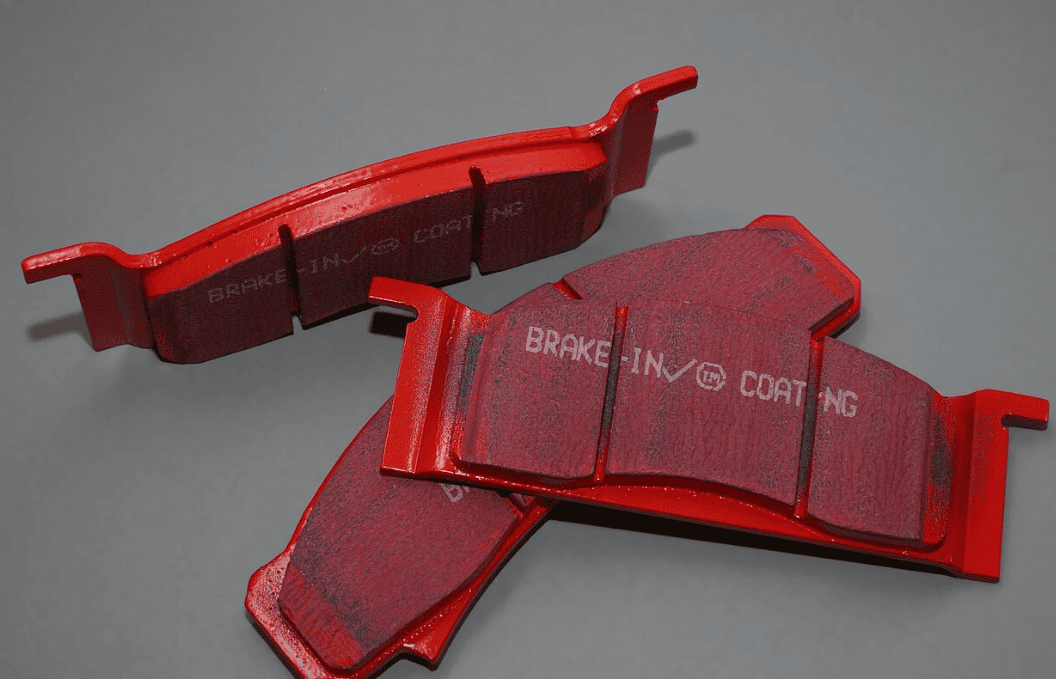
Replacing brake pads requires lifting the vehicle, removing the brake caliper, retracting the piston using a dedicated tool, installing the new pads, and reassembling with precise torque specifications. Always consult the specific vehicle’s service manual for exact torque values and procedures before beginning any brake repair.
Preparation and Safety Protocols
Before beginning the brake pad replacement procedure, ensuring a secure environment and gathering the correct diagnostic and manual tools is critical for shop safety and efficiency.
Required Professional Tools
- Hydraulic floor jack and jack stands: For safe lifting and secure vehicle support.
- Caliper piston reset tool or C-clamp: Necessary for retracting the caliper piston evenly.
- Torque wrench and appropriate sockets: For accurate fastener tightening to manufacturer specs.
- Brake cleaner and high-temp silicone grease: For cleaning components and lubricating guide pins.
Vehicle Lifting and Securing
Position the vehicle on a level shop lift or flat surface. Loosen the lug nuts slightly before lifting. Raise the vehicle to a comfortable working height, secure it with jack stands or safety locks, and completely remove the wheel assembly to expose the brake assembly.
Disassembly and Inspection
Accessing the brake pads involves careful removal of the caliper assembly. Thorough inspection of all related hardware is mandatory to prevent premature wear or brake failure.
Removing the Brake Caliper
Remove the caliper guide pin bolts. Carefully slide the brake caliper off the rotor. Do not let the caliper hang by the brake hose. Use a bungee cord or mechanic’s wire to suspend it from the suspension strut to prevent hose damage. Slide out the old brake pads from the caliper bracket.
Evaluating Hardware Wear
A thorough inspection of brake hardware is essential before installing new pads.
- Inspect caliper guide pins for rust, binding, or torn boots; replace or lubricate as necessary.
- Check anti-rattle clips and pad shims for fatigue or loss of tension.
- Measure rotor thickness and runout to ensure they meet minimum machine specifications.
Installation and Resetting
Proper installation of the new brake pads ensures optimal braking performance, eliminates noise, and promotes even pad wear across the axle.
Piston Retraction
Before fitting the new, thicker brake pads, the caliper piston must be fully retracted. Use a caliper piston reset tool or a C-clamp. For rear calipers with integrated parking brakes, use a specialized rotary tool to turn and press the piston back simultaneously to avoid damaging the internal mechanism.
Torque Specifications and Reassembly
Install the new brake pads into the bracket, ensuring they slide freely. Apply a thin film of high-temp grease to the guide pins. Mount the caliper over the pads and tighten the guide pin bolts using a torque wrench to the vehicle manufacturer’s specified torque. Reinstall the wheel and torque the lug nuts in a star pattern.
Post-Installation Procedures
Final steps are critical to restore hydraulic pressure and ensure the new brake pads mate correctly with the rotor surface.
Brake Fluid Bleeding (If Required)
Check the master cylinder reservoir. If the fluid level was topped off previously, use a syringe to remove excess fluid to prevent overflow during piston retraction. If the fluid is dark or moisture-contaminated, perform a complete system bleed.
Bedding in New Brake Pads
Pump the brake pedal several times with the engine off to seat the pads and restore brake pedal firmness. Perform a controlled bedding-in procedure: execute 5-6 moderate stops from 30 mph to 5 mph, allowing the pads to cool between stops, to transfer an even friction layer onto the rotors.
Conclusion and Actionable Advice
Mastering how to replace brake pads requires meticulous attention to detail, from proper piston retraction to adhering to exact torque specifications. Always verify your work with a final test drive and document the repair for your shop records.
常见问题
Do I need to bleed the brake system after replacing brake pads?
Bleeding is only necessary if the brake fluid is contaminated, has high moisture content, or if air entered the system. Otherwise, simply check the fluid level to ensure it is within the proper range.
How do I properly reset rear brake caliper pistons?
For vehicles with integrated electronic parking brakes, use a specialized clockwise rotation tool instead of a C-clamp to turn and press the piston back simultaneously, avoiding damage to the internal mechanism.
Is bedding in new brake pads necessary?
Yes, bedding in is critical. Perform 5-6 moderate stops from 30 mph to 5 mph to transfer pad material to the rotor surface, which prevents brake judder and maximizes stopping power.
Should I replace or lubricate the guide pins during a brake job?
Always remove, clean, and inspect the guide pins. If the rubber boots are torn or the pins are pitted, replace them. Otherwise, apply a high-temperature silicone brake grease to ensure smooth caliper sliding.
