

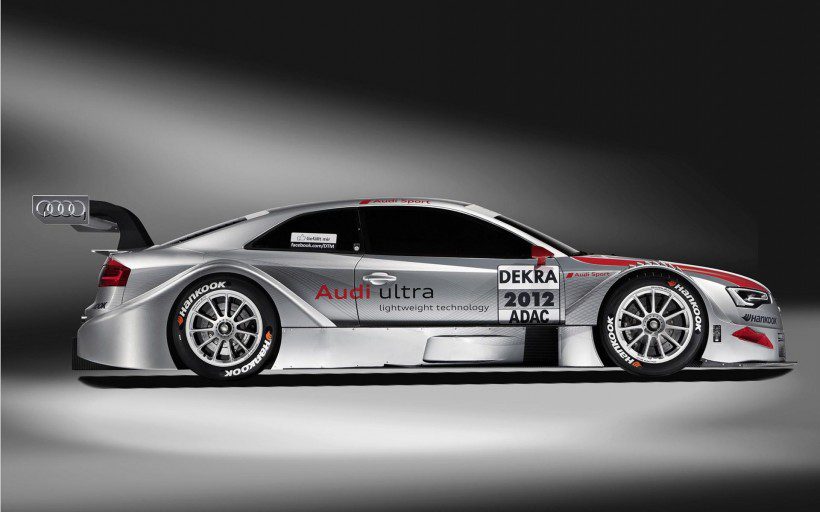
Modern vehicles have evolved from purely mechanical machines into highly integrated complexes of electronics and intelligent technology. To avoid sales traps and make informed purchasing decisions, personal car owners must master four core pillars: powertrains (from ICE to EV), chassis and suspension systems, smart driving features, and total cost of ownership. Understanding these elements ensures you buy a car that fits your actual needs rather than paying a premium for unnecessary configurations.
Decoding Vehicle Powertrains: ICE, Hybrid, and EV
The powertrain is the heart of any vehicle. Transitioning from traditional fuel engines to electric motors represents the most significant paradigm shift in automotive history. Knowing how these systems work helps you choose the right car powertrain for your daily commute.
Internal Combustion Engine (ICE) Fundamentals
Traditional gas-powered cars rely on internal combustion. When evaluating ICE vehicles, look beyond just horsepower. Torque determines acceleration, while the transmission type dictates power delivery efficiency.
- Naturally Aspirated vs. Turbocharged: Naturally aspirated engines offer smoother power delivery and lower maintenance costs, while turbocharged engines provide higher torque and better fuel efficiency but may require more frequent maintenance.
- Transmission Types: CVTs offer seamless gear shifts and excellent fuel economy; Dual-Clutch Transmissions (DCT) provide lightning-fast shifts for sporty driving; traditional automatics (AT) balance reliability and smoothness.
Hybrids and Plug-in Hybrids (PHEVs)
Hybrids bridge the gap between gasoline and pure electric. A standard HEV uses regenerative braking to charge a small battery, assisting the gas engine during acceleration. PHEVs feature larger batteries that can be charged externally, allowing for 30-50 miles of pure electric driving—ideal for city commutes without range anxiety.
Pure Electric Vehicles (EVs)
EVs use battery packs and electric motors. The critical metrics here are battery capacity (kWh) and motor power. Modern EVs utilize 800-volt architectures for faster charging and feature thermal management systems to maintain battery health. Regenerative braking captures kinetic energy during deceleration, significantly extending urban driving range.
Real-world case: A driver switching from a 2.0L turbocharged ICE to a 150kW EV will experience instant torque delivery, reducing 0-60mph times while cutting energy costs by up to 60%.
Understanding Car Chassis and Suspension Systems
A powerful engine means nothing if the car cannot handle properly. The car chassis and suspension system dictates vehicle handling, ride comfort, and NVH (Noise, Vibration, and Harshness) levels.
MacPherson Strut vs. Multi-Link Suspensions
The suspension system connects the wheels to the chassis. Most mainstream cars use a combination of different setups for the front and rear axles.
- MacPherson Strut: Commonly used in front axles due to its compact size, low cost, and lightweight nature. It is highly space-efficient, leaving more room for the engine bay.
- Multi-Link Suspension: Typically found in rear axles of mid-to-high-end vehicles. It uses multiple control arms to independently manage wheel movement, providing superior cornering stability and ride comfort.
- Torsion Beam: A non-independent suspension often used in compact cars. It is durable and cheap but can compromise ride comfort on bumpy roads.
The Role of the Chassis in Handling and NVH
The chassis is the vehicle’s skeleton. High-strength steel and aluminum alloys are increasingly used to reduce weight while increasing torsional rigidity. A stiffer chassis allows the suspension to work optimally, improving handling precision. Furthermore, NVH control—through acoustic glass and strategic sound-deadening materials—separates a premium driving experience from a noisy one.
Demystifying Smart Car Features and ADAS
The automotive industry is rapidly transitioning to software-defined vehicles. Smart car features and Advanced Driver Assistance Systems (ADAS) are no longer luxury add-ons; they are standard safety expectations.
Advanced Driver Assistance Systems (ADAS)
ADAS relies on a suite of sensors to perceive the environment. Understanding these components helps you evaluate a vehicle’s true autonomous capability.
- Sensor Fusion: Cameras provide visual recognition (reading speed limits), while millimeter-wave radar detects object distance and speed in adverse weather. LiDAR, found in high-end EVs, creates precise 3D maps of the surroundings.
- Core Functions: Look for Adaptive Cruise Control (ACC), Lane Keeping Assist (LKA), and Automatic Emergency Braking (AEB). These foundational features dramatically reduce collision rates.
Infotainment, Connectivity, and OTA Updates
The cockpit experience is now defined by computing power. Modern smart cars feature high-performance chips (like the Snapdragon 8155/8295) to ensure smooth UI transitions and rapid voice recognition. More importantly, Over-The-Air (OTA) updates allow the vehicle to receive new features and performance improvements remotely, ensuring the car improves over time rather than depreciating in capability.
Car Buying Mistakes and How to Avoid Them
Even with technical knowledge, buyers often fall into psychological traps at the dealership. Avoid these common car buying mistakes to ensure a financially sound purchase.
Ignoring Total Cost of Ownership
The sticker price is only the beginning. A cheaper vehicle might cost more in the long run due to depreciation, insurance premiums, and maintenance.
- Depreciation Rates: Luxury ICE vehicles often lose 50% of their value in three years, whereas mainstream EVs might hold value better due to battery health guarantees.
- Maintenance and Insurance: EVs have fewer moving parts, reducing routine maintenance costs, but their insurance premiums can be higher due to expensive battery replacements in accidents.
Overpaying for Unnecessary Configurations
Salespeople often push top-tier trims by highlighting flashy features. However, features like massive 21-inch wheels or ultra-premium audio systems add thousands to the price with minimal daily utility.
Expert Tip: Always prioritize core safety features (like AEB and blind-spot monitoring) over cosmetic upgrades. A mid-tier trim often offers the best value-to-feature ratio.
Conclusion and Actionable Advice
Transforming from a car novice to a knowledgeable buyer requires understanding the intersection of mechanical engineering and digital innovation. By mastering powertrain differences, suspension mechanics, smart ADAS features, and the true cost of ownership, you eliminate the information asymmetry that dealerships rely on.
Actionable Advice: Before visiting a dealership, define your primary driving scenario (city commute vs. road trips). Shortlist three vehicles, test drive them back-to-back focusing on low-speed ride comfort and ADAS smoothness, and always negotiate based on the out-the-door price rather than monthly payments. This disciplined approach guarantees you will purchase a vehicle that serves your needs for years to come.
常见问题
What is the main difference between ICE and EV powertrains?
ICE vehicles rely on internal combustion and complex mechanical gears, while EVs use battery packs and electric motors to deliver instant torque. EVs require less routine mechanical maintenance but depend on charging infrastructure.
How can I avoid common car buying mistakes at the dealership?
Always research the total cost of ownership, including depreciation, insurance, and maintenance. Focus on essential safety features rather than paying a premium for cosmetic upgrades, and negotiate based on the final out-the-door price.
Which is better: MacPherson strut or multi-link suspension?
Multi-link suspension generally offers better handling and ride comfort because it independently controls wheel movement. MacPherson struts are more compact and cost-effective, making them ideal for compact cars and front axles.
What are ADAS features in modern smart cars?
Advanced Driver Assistance Systems (ADAS) include features like Adaptive Cruise Control, Lane Keeping Assist, and Automatic Emergency Braking. They use sensor fusion (cameras, radar, LiDAR) to enhance driving safety and convenience.
, chassis suspension, ADAS features, and total ownership costs. Learn how to evaluate core specs and make informed decisions.)